
The fascinating journey of gambling tracing its historical roots and evolution
The Ancient Beginnings of Gambling
The roots of gambling can be traced back to ancient civilizations, where games of chance were often integrated into cultural and religious practices. To fully appreciate this evolution, one might want to explore platforms that offer insights into various gaming experiences, such as payid pokies. Archaeological evidence suggests that the earliest forms of gambling emerged in China around 2300 BCE, with dice made from bone and knuckle bones used in various games. Similarly, ancient Egyptians engaged in gambling through board games and betting on outcomes of specific events, indicating that the concept of risk and reward has long been part of human entertainment.

In ancient Rome, gambling was not only a popular pastime but also intricately woven into the fabric of society. Citizens would place bets on gladiatorial contests and chariot races, often resulting in significant financial stakes. The Romans also created gaming houses, a precursor to modern casinos, where various games of chance were played. These early examples reveal how gambling has been both a source of excitement and a social tool for interaction among people throughout history.
The establishment of gambling laws and regulations in ancient cultures also highlights its significance. While some societies embraced gambling, others viewed it with skepticism and sought to regulate or prohibit it. The contradictions surrounding gambling’s moral implications illustrate that its journey has always been complex, varying by cultural attitudes and societal norms. These ancient beginnings set the stage for the evolving nature of gambling as it spread across continents and cultures.
The Middle Ages and the Rise of Gambling Houses
The Middle Ages marked a turning point in the history of gambling, particularly in Europe. During this period, the emergence of commercial gaming houses became prominent, particularly in Italy and France. These establishments provided a dedicated space for various games of chance, such as dice games and card games, catering to an increasing demand for organized entertainment. The gambling culture began to thrive, with aristocrats and commoners alike drawn to the allure of chance and fortune.
Interestingly, this era also witnessed the invention of playing cards in the 14th century, further expanding the gambling repertoire. The intricate designs and diverse games, such as poker and blackjack, soon gained popularity across Europe. The interplay between gambling and social status became apparent, with nobles often betting vast sums to assert their wealth and power. This evolution illustrated how gambling began to intertwine with personal identity and societal dynamics.
However, not everyone was supportive of the burgeoning gambling culture. Religious leaders and governments often expressed concern over its potential to lead to moral decay and societal issues. As a result, laws regulating or outright banning gambling were frequently enacted, causing a push-and-pull dynamic between the allure of gambling and the desire for societal order. This ongoing conflict laid the groundwork for future developments in gambling legislation and public perception.
The Age of Enlightenment and Legalization
The Age of Enlightenment brought a new wave of thought regarding personal freedoms and economic opportunities, which significantly impacted gambling. In the 18th century, several European countries began to legalize gambling to regulate it more effectively. This period saw the establishment of formal lotteries, which served as a means to raise funds for public projects while simultaneously offering individuals a chance to win substantial rewards.
The popularity of lotteries soon spread to the Americas, where they became a crucial fundraising tool during the early years of nation-building. The mindset surrounding gambling began to shift from one of taboo to acceptance, as legal frameworks aimed to balance personal freedom with responsible gambling practices. This newfound approach reflected the evolving societal attitudes toward chance and risk, highlighting gambling as a legitimate form of entertainment rather than a vice.
This era also facilitated the growth of organized sports betting, which further entrenched gambling in mainstream culture. As people began to wager on various sporting events, the industry blossomed, leading to the establishment of bookmaking as a specialized profession. The convergence of these elements during the Age of Enlightenment paved the way for modern gambling practices, illustrating how societal shifts can influence the development of recreational activities.
The Modern Casino Era
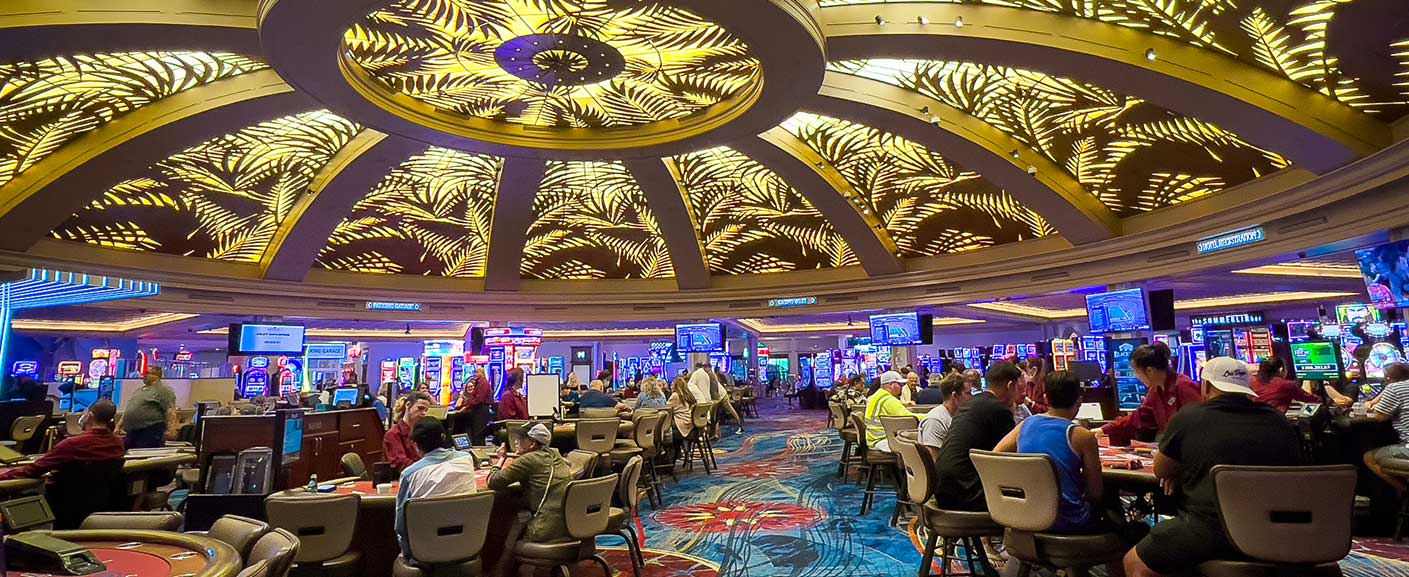
The 20th century marked a significant transformation in the gambling landscape, particularly with the rise of casinos. The establishment of Las Vegas as a gambling hub in the 1930s revolutionized the industry, creating an iconic destination for gamblers worldwide. With lavish resorts and entertainment options, Las Vegas encapsulated the essence of modern gambling, attracting millions of visitors eager to try their luck. The glitz and glamour associated with casinos reshaped perceptions of gambling, associating it with leisure and lifestyle.
During this time, technological advancements also began to influence gambling. The invention of electronic slot machines in the 1960s introduced a new dimension to casino gaming, making it more accessible to casual players. This innovation sparked a wave of interest in gambling, leading to a boom in casino construction and expansion, particularly in areas like Atlantic City and Macau. These developments reflect how technology and consumer demand drove the evolution of the gambling experience.
The latter part of the century saw the emergence of online gambling, which further transformed the industry. With the advent of the internet, players could now enjoy their favorite games from the comfort of their homes. This shift not only broadened the audience for gambling but also raised questions regarding regulation and responsible gaming. The modern casino era illustrates how adaptability and innovation have been integral to the evolution of gambling, continuously reshaping the way individuals engage with chance and risk.
Exploring Contemporary Gambling Trends
Today, gambling continues to evolve, influenced by technology, regulation, and changing societal attitudes. The rise of mobile gaming and online platforms has made gambling more convenient than ever. Players can now access a wide variety of games through their smartphones, creating a dynamic gaming environment that caters to different preferences. This shift has transformed the traditional landscape, making it imperative for operators to adapt and innovate to stay competitive in the digital age.
Moreover, the conversation surrounding responsible gambling has gained momentum, prompting operators to implement measures to promote safe gaming practices. Awareness campaigns, self-exclusion options, and support services have become integral components of many gambling platforms. As society becomes more conscious of the potential risks associated with gambling, the industry is responding by prioritizing player safety and well-being.
In addition, the legalization of sports betting in various regions has opened new avenues for gambling engagement. With the rise of fantasy sports and betting on live events, individuals are increasingly involved in wagering on their favorite teams and players. This trend reflects the merging of technology, entertainment, and gambling, highlighting how the industry continues to adapt to meet consumer demands while navigating regulatory challenges.
Conclusion: The Future of Gambling
The fascinating journey of gambling showcases its resilience and adaptability throughout history. From its ancient beginnings to modern advancements, gambling has evolved in tandem with societal changes, technology, and cultural attitudes. As we move forward, the industry is poised to continue transforming, driven by innovation and a growing understanding of responsible gaming.
Whether through online platforms or traditional casinos, the allure of gambling remains potent, captivating individuals around the globe. The future promises exciting developments as the industry addresses emerging challenges and harnesses new opportunities, making it a continually engaging topic for both enthusiasts and casual participants alike.