
The psychology of gambling understanding its mental effects on players
The Allure of Gambling
The psychological allure of gambling is multifaceted, driven by both intrinsic and extrinsic motivations. For many, the thrill of taking risks is an adrenaline rush, stimulating the brain’s reward system. This system releases neurotransmitters like dopamine, which enhances feelings of pleasure and satisfaction. As a result, players often find themselves compelled to return for more, despite the potential risks involved. The excitement of uncertain outcomes provides a sense of escapism, allowing players to momentarily forget their worries. Additionally, the increasing prominence of online platforms, such as https://fat-pirate-casinos.com, has made it easier for individuals to engage in these activities.
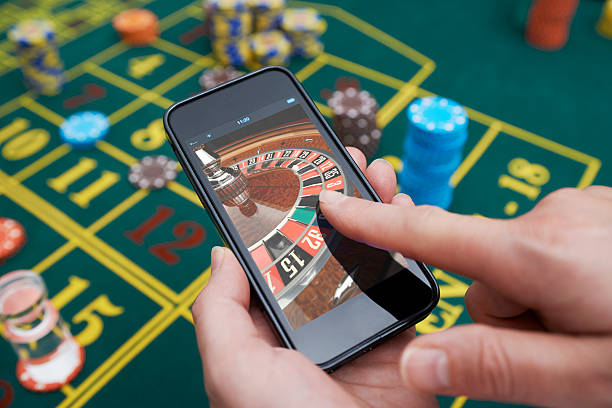
Additionally, the social aspect of gambling cannot be overlooked. Many individuals partake in gambling as a social activity, bonding with friends or meeting new people in casinos or online platforms. This communal experience can amplify the enjoyment of gambling, making it feel like less of a solitary pursuit. The combination of excitement and social interaction can create a compelling environment that encourages players to engage more frequently, often blurring the lines between entertainment and dependency.
Moreover, the marketing strategies employed by gambling platforms contribute significantly to the psychology of gambling. Promotions, bonuses, and enticing offers are designed to lure players into trying their luck. This external influence can heighten expectations, leading players to believe they can achieve quick financial success. As players chase these perceived wins, they often underestimate the odds against them, reinforcing a cycle of gambling behavior that can be difficult to break.
The Role of Luck vs. Skill
One of the most debated topics in gambling psychology is the balance between luck and skill. While games like poker involve significant skill, others, such as slots, rely solely on chance. This distinction affects how players perceive their success and decision-making processes. Skilled players may feel more in control, attributing their wins to strategy and experience. However, this belief can lead to overconfidence, resulting in higher stakes and riskier bets than they might otherwise make.
Conversely, players of games reliant on luck may fall into the trap of believing they can influence outcomes. This illusion of control can lead to irrational betting behaviors, as players chase losses or increase their stakes in hopes of a favorable outcome. Cognitive biases, such as the gambler’s fallacy, can distort their understanding of probability, convincing them that past outcomes influence future results. These psychological mechanisms create a cycle that can perpetuate gambling behavior, often against the player’s best interests.
Additionally, the distinction between luck and skill can have profound implications for self-identity and self-worth. Players often tie their success to their perceived abilities or lack thereof, leading to feelings of shame or pride based on outcomes. This connection can create a high-stakes emotional landscape where wins boost self-esteem while losses can lead to despair. Such emotional fluctuations can significantly impact mental health, causing distress in players who struggle to reconcile their gambling experiences with their self-image.
The Impact of Gambling on Mental Health
The effects of gambling on mental health are significant and multifaceted. For some individuals, gambling can lead to heightened anxiety, depression, and feelings of isolation. The stress associated with financial loss, coupled with the pressure to continue playing to recoup losses, can create a vicious cycle. This emotional turmoil often manifests in various ways, such as irritability, sleep disturbances, and relationship issues, affecting both the individual and their loved ones.
Moreover, the potential for developing gambling addiction is a serious concern. The Diagnostic and Statistical Manual of Mental Disorders outlines criteria for gambling disorder, including a preoccupation with gambling, increasing amounts of time spent gambling, and a tolerance to the emotional highs and lows. For many players, the thrill of gambling can override logical thinking, leading to increasingly risky behaviors. Support systems and professional help are crucial for those recognizing their gambling habits as problematic, emphasizing the need for awareness and education on responsible gaming practices.
Additionally, gambling can serve as a coping mechanism for underlying issues such as trauma or emotional distress. Many individuals may use gambling to escape negative feelings or to temporarily alleviate boredom. However, this reliance can exacerbate mental health issues rather than resolve them. Establishing healthy coping strategies and seeking professional guidance can aid in breaking this cycle and promoting mental well-being, emphasizing the importance of addressing the psychological aspects of gambling behavior.
Understanding the Triggers of Gambling Behavior
Understanding the triggers that lead individuals to gamble is essential for developing effective interventions. Triggers can be internal, such as emotional states, or external, including environmental factors. Emotional triggers, like stress or sadness, can push individuals towards gambling as a form of escape. Recognizing these patterns is the first step toward developing healthier coping mechanisms, such as engaging in hobbies or seeking social support when feeling overwhelmed.
Environmental triggers also play a crucial role in gambling behavior. For instance, exposure to advertisements, social gatherings centered around gambling, or even visiting a casino can activate the urge to gamble. This context can create a heightened sense of urgency and temptation, leading to impulsive decisions. Understanding these external influences can help individuals identify potential pitfalls in their environment and take proactive measures to avoid them.
Furthermore, personal beliefs and narratives about gambling can significantly influence behavior. Some individuals may perceive gambling as a way to achieve financial security or a means of leisure. These beliefs can shape their decision-making processes, reinforcing behaviors that contribute to the cycle of gambling. By challenging these narratives and fostering a healthier understanding of gambling, individuals can mitigate the risks associated with their gambling habits.
FatPirate Casino and Responsible Gaming
FatPirate Casino is committed to promoting a safe and enjoyable gaming experience while emphasizing responsible gaming practices. The platform provides users with a wide variety of games, ensuring that players can find what suits them best, whether through slots, live casino games, or sports betting. However, beyond providing entertainment, FatPirate Casino recognizes the importance of educating its users about the potential risks associated with gambling.
Through various resources, FatPirate Casino aims to raise awareness about responsible gaming, encouraging players to set limits and understand their behavior. The platform offers tools for self-assessment and self-exclusion, helping individuals manage their gambling activities more effectively. By fostering a culture of responsibility, FatPirate Casino seeks to ensure that gaming remains a fun and entertaining experience for all players.
Ultimately, understanding the psychology behind gambling is vital for both players and operators. FatPirate Casino actively engages in promoting healthy gaming habits, creating an environment where enjoyment and safety coexist. With a commitment to responsible gaming, the platform strives to provide a space where players can enjoy their experiences without compromising their well-being.